Daily Confidence: Navigating OEM vs Aftermarket Upgrades


Today we dig into choosing between OEM and aftermarket modifications for a daily driver, focusing on reliability, safety, comfort, and your real-world routines. We will weigh practicality against performance, look at warranties and laws, and share stories that illuminate smart decisions. By the end, you will feel equipped to plan upgrades that respect your commute, your budget, and the character of your car without sacrificing peace of mind.

Reliability, Warranty, and Peace of Mind
Daily driving is about confidence every morning and relief every evening. OEM parts are engineered to factory tolerances and tested for longevity in real conditions. Aftermarket options range from brilliant to borderline, demanding careful brand selection and documentation. Understanding warranty laws, dealer attitudes, and maintenance records protects you from headaches. The goal is simple: predictable operation, minimal downtime, and decisions that keep your schedule intact through every season and surprise.

Performance Gains Without Daily Compromises

Performance should enhance your routine rather than hijack it. Sensible upgrades improve responsiveness, efficiency, and consistency without punishing you with drone, harshness, or awkward cold starts. Target bottlenecks that matter at commuter speeds, not only track conditions. Think thermal stability, smooth throttle transitions, and predictable braking bite. When matched thoughtfully, modest power gains and refined chassis tuning can feel transformative while remaining calm, quiet, and trustworthy in rain, traffic, and errands.

Intakes and Filters That Breathe Smart

Well-designed intakes maintain stable intake air temperatures and resist heat soak at low speeds, where daily drivers actually live. Poorly shielded cones can sound lively yet sap consistency in summer traffic. Consider closed-box designs, validated flow data, and filtration that protects sensors. A modest, well-engineered system paired with quality maintenance intervals preserves throttle crispness and engine health, rewarding you every time you merge or pass without sacrificing long-term reliability.

Exhausts and Emissions That Play Nice

An inviting tone is wonderful, but drone at highway speeds can drain your patience. Look for resonator design, chamber placement, and materials that stabilize sound. High-flow catalytic converters with proper certification protect emissions compliance and inspection success. Resist the temptation to chase volume over precision. The best systems create character without headaches, allowing early morning departures and late-night returns that remain neighborly, legal, and comfortable on long, steady commutes.

ECU and TCU Calibrations for Smoothness

Responsible tuning can unlock torque where you actually drive, smoothing shift schedules and reducing hunting between gears. Calibrations should respect fuel quality, knock control, and thermal limits. Choose tuners who publish logs and prioritize drivability. A conservative, daily-friendly tune that trims hesitation while retaining safeguards often feels faster in real life than aggressive maps. The result is confident passing, predictable throttle, and transmission behavior that works with you, not against you.

Comfort, Noise, and Ride Quality

Your daily driver should feel like a refuge, not a chore. Upgrades affect noise, vibration, and harshness far more than spec sheets admit. Stiffer components sharpen response yet can amplify cabin buzz and fatigue on imperfect roads. Tire compound, wheel mass, and damper valving influence both serenity and control. Treat comfort as performance you experience every mile. Thoughtful choices deliver a poised, quiet ride that still communicates honestly through the steering wheel.

Suspension Choices That Respect Real Roads

Adjustable dampers and mild lowering springs can sharpen turn-in without wrecking bump compliance. Beware ultra-low setups that compromise travel and introduce bottoming on speed humps. Look for progressive rates, corrosion-resistant coatings, and factory mounting geometry retention. A measured setup reduces heave and pitch while absorbing expansion joints. The outcome is confidence over broken pavement, quiet body control in crosswinds, and a car that remains friendly to passengers and luggage.

Wheels, Tires, and Unsprung Weight

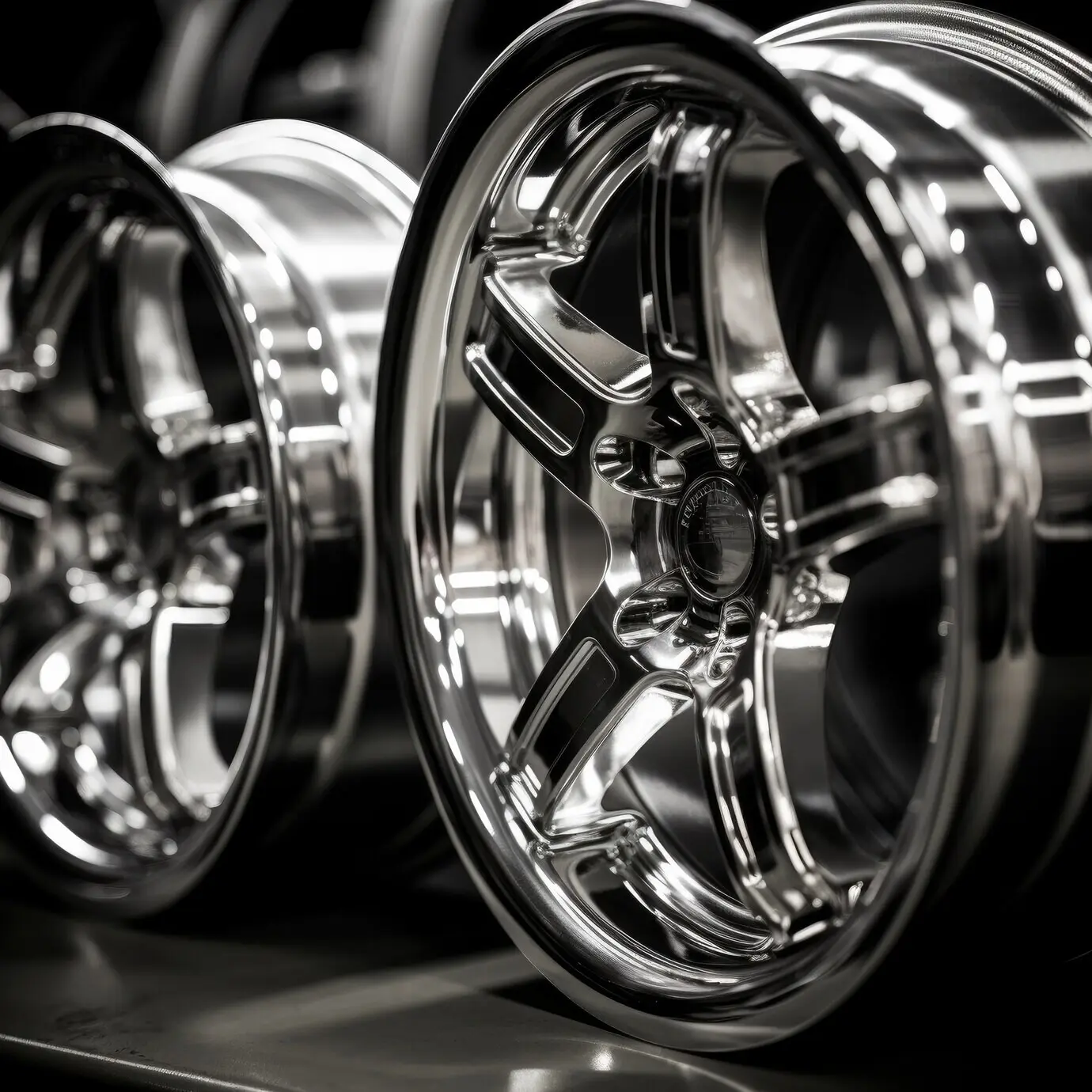
Lighter wheels reduce unsprung mass, improving steering response and ride quality. But larger diameters can thin sidewalls, increasing impact harshness. Choose sizes that maintain overall diameter and protect ride height. Prioritize quality tires with wet braking performance and quiet tread patterns. Rotating mass reductions compound benefits in acceleration and braking, especially in urban stop-start conditions. The right square setup can also simplify rotations, extending life and saving money without losing grip.

Safety and Legal Compliance

Safety-first choices protect you, your passengers, and everyone around you. Braking systems, lighting, and sensors were calibrated together; changing one element can ripple into others. Certified components and correct beam patterns are essential. Emissions and inspection rules vary by region, but documentation and verified compliance reduce risk. Respect crash structures, airbag logic, and alignment tolerances. Upgrades should add control and visibility, not trade them for theatrics that complicate insurance or roadside inspections.
Quality pads, rotors, and fluid provide repeatable stops during heat cycles that daily driving actually sees, like downhill exits and rush-hour rolling. Avoid mismatches that extend pedal travel or upset bias. Stainless lines and high-boiling fluid help, yet street-friendly pad compounds reduce dust and noise. The right setup shortens stopping distances consistently while maintaining smooth initial bite, rewarding careful footwork and protecting confidence in unexpected, real-world braking moments.
Improper retrofits can scatter light and blind others, even if they look bright in photos. Seek housings or bulbs designed for your reflector or projector type, verified with appropriate certifications. Consider weather-sealed connectors and accurate leveling. Add fog or auxiliary lights only where legal and necessary. The best upgrades enhance night comfort, reduce eye strain, and keep your car respectful toward oncoming traffic, turning late drives into relaxed, predictable experiences.
Catalyst placement, O2 sensor behavior, and onboard diagnostics readiness all influence inspection outcomes. Choose parts that retain monitors and avoid tampering flags. Keep receipts and calibration notes to show intent and compliance. Inform your insurer when modifications affect risk, value, or theft appeal. Clear communication prevents claim surprises and preserves goodwill. Staying within the rules keeps your car on the road, your conscience clear, and your upgrade path sustainable year-round.

Cost, Value, and Resale

A smart plan balances up-front prices with long-term costs, including maintenance, consumables, and potential warranty friction. Cheap parts can become expensive through noise, failures, and repeated labor. Quality upgrades may hold value if they are well-documented, reversible, and aligned with the car’s character. Prospective buyers appreciate tasteful improvements that solve problems, not create them. Keep invoices, before-after photos, and service logs to reinforce trust and demonstrate careful stewardship.

Road-Proven Stories and Practical Next Steps

Commuter Wins with OEM Plus

One driver revived a high-mile sedan with OEM dampers, fresh mounts, and a mild alignment tweak, then added factory sport sway bars and slightly wider tires. The car felt planted without punishing ride quality. Documentation smoothed dealer visits, and winter mornings remained drama-free. The lesson is clear: incremental, factory-harmonized changes often produce the largest perceived improvement for people whose schedules demand reliable, quiet, and orderly daily transportation.

Aftermarket Success with Purpose

A hatchback owner targeted heat and braking first: upgraded radiator, street-focused pads, and stainless lines. A conservative tune improved midrange torque, while a resonated cat-back cut drone. Every change addressed a specific weakness, with logs and maintenance intervals recorded carefully. Months later, fuel economy improved slightly, stops were calmer, and highway drives felt quieter. Purposeful sequencing created harmony, proving that aftermarket choices can elevate practicality when guided by data and patience.

Lessons from Mismatched Parts

Another owner chased aggressive lowering springs on stock dampers and added oversized wheels with thin sidewalls. The result looked sharp but rode harshly, amplified tramlining, and accelerated bushing wear. Reverting to balanced spring rates, lighter wheels, and a thorough alignment restored composure. This taught an enduring lesson: every component interacts with another. Avoid chasing aesthetics or isolated numbers. Seek systems that complement each other, because comfort and control are inseparable in daily life.
Nevopevakelevovirexa
Privacy Overview

This website uses cookies so that we can provide you with the best user experience possible. Cookie information is stored in your browser and performs functions such as recognising you when you return to our website and helping our team to understand which sections of the website you find most interesting and useful.