From Show Floor to City Streets


Today we explore street-legal styling inspired by factory display models, translating concept-car drama into compliant, daily-drivable details that survive inspections and busy commutes. Expect practical guidance, designer insights, and real-owner stories showing how to capture exhibition polish without tickets, headaches, or sacrifices in reliability. Share your ideas below, subscribe for fresh inspo, and help shape future deep dives with questions about regulations, materials, and smart shortcuts that keep the look bold and the car confidently road-ready.

Translating Show Car Drama into Legal Reality

Factory display models exaggerate proportions, hide door gaps, and cheat with ride height, while inspectors examine visibility, sharp edges, and safety features. We’ll decode which visual cues transfer beautifully to traffic, which need subtle reinterpretation, and where practicality preserves the magic. Expect clear examples, like reshaping overly aggressive spoilers, trimming diffuser depth, and softening grille edges. You’ll learn to retain intent while embracing structural integrity, warranty compatibility, and regional compliance quirks that can surprise even seasoned builders.

Design Cues That Survive Regulations

Concept grilles, sculpted rocker panels, and tight panel gaps can inspire, but production realities demand tolerances, impact zones, and repairability. Prioritize cues that harmonize with factory mounting points and sensor placement for ADAS systems. Smooth transitions, integrated aero, and purposeful shadow lines usually convert well. Think of it as editing, not diluting: sharpen what communicates character and soften what risks snagging, scraping, or blinding. The result feels intentional, credible, and instantly understandable to inspectors and enthusiasts.

Where Compliance Shapes Aesthetics

Pedestrian protection and bumper height rules influence how aggressive your front end can be, while headlight aim and reflector visibility constrain grille openings and eyelids. Instead of fighting regulations, choreograph around them: frame lighting with confident bezels, use compliant lens tints, and respect crash beam geometry. A small compromise in protrusion often unlocks dramatic improvements in cohesion and finish. Careers are built on such clever compromises; your car deserves that same design maturity and thoughtful restraint.

Daily Usability Without Losing the Wow

Show-floor stance photographs beautifully, yet parking ramps, speed humps, and ferry ramps exist. Build for the roads you actually drive, then stage for photos cleverly. Modular splitters, reversible canards, and adjustable suspension make it easy to switch modes. Protect paint with clear film, preserve sensors with mindful mounting, and ensure towing points remain accessible. Your car should thrill at sunrise photoshoots and still glide through errands. The most impressive builds are the ones you keep driving.

Splitters, Lips, and Angles that Pass Inspections

Many regions restrict sharp protrusions and low edges, so swap brittle composites for flexible polymers or layered ABS with sacrificial skid plates. Keep fasteners captured and visible for examiners, proving stability. Angle leading edges slightly upward to reduce curb impacts and snowplow effects. Use quick-release mounts for serviceability and track days. When your splitter looks securely engineered rather than improvised, inspectors respond better, and you avoid the heartbreak of cracked corners and frustrating repair cycles.

Widebody Lines Without Tire Rub or Police Attention

Factory display flares often imply fantasy wheel travel. Aim for controlled extension that covers tread fully at steering lock and compression. Test with tape, clay, and articulation ramps to confirm clearance across bumps. Reinforce mounting points and align with factory crash structures, not thin sheet metal. Pair the look with appropriate offset and tire width so geometry remains safe. A tidy, symmetrical fit reads intentional rather than provocative, and tends to sail through roadside checks confidently.

Functional Vents versus Decorative Overkill

Open vents promise cooling and drama, but unmanaged airflow invites debris, water, and whistling. Use ducting or mesh that maintains airflow while discouraging stones. If a vent is cosmetic only, treat it honestly with shallow reliefs and texture, avoiding false perforations that trap grime. When in doubt, tie vents to measurable outcomes: brake temperatures, intake IATs, or pressure taps. Function anchors the design, earns respect at meets, and helps justify the choices during inspections.

Lighting That Looks Concept-Ready and Passes Code
Concept lighting loves razor-thin signatures and theatrical animations. Road rules require correct color, brightness, and beam patterns. We’ll map options that project the right attitude while honoring DOT or ECE stamps, sealing standards, and headlight levelling. Expect tips on choosing projectors with sharp cutoffs, wiring DRLs safely, and preserving sensor visibility. We’ll also cover tasteful animation timing, avoiding illegal strobe behavior, and restoring clarity with UV-stable coatings so your car keeps its glittering gaze through seasons.

Wheels, Tires, and Stance with Safety at Heart

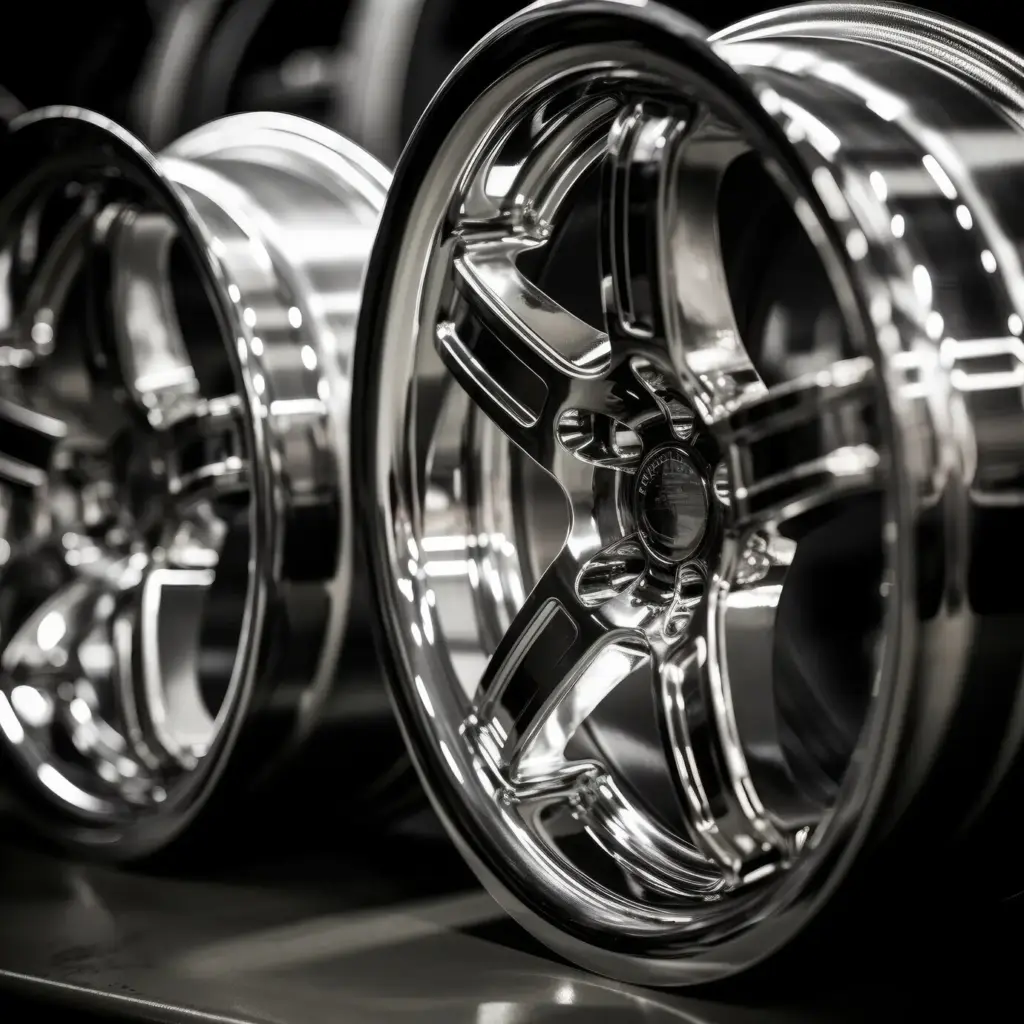
The show-floor fitment whispers perfection, yet on-road geometry rules handling and tire life. We’ll guide offset choices, camber that preserves contact patches, and brakes that clear barrels without spacers. Expect practical calculations for scrub radius, load ratings, and speedometer accuracy. Real stories include rescuing a daily after extreme camber ruined wet grip. Our approach preserves the sleek silhouette while rewarding you with straight-line stability, confident turn-in, and an inspection-friendly profile that still photographs like a hero.

Finishes, Materials, and Details that Sell the Illusion

Concept cars excel at surface play: pearlescent paints, satin metals, and bespoke textures. You can echo that charisma with durable wraps, ceramic coats, clear film, and clever 3D-printed accents. We’ll unpack how to highlight body lines with subtle contrasts and protect high-contact zones from chips. Inside, thoughtful touchpoints suggest prototype craft without endangering airbags or sensors. Expect tips on emblem ethics, sustainable materials, and storytelling that treats the badge with honesty instead of cosplay bravado.

Paint, Wraps, and Protective Films that Photograph Beautifully

Satin finishes evoke concept purity, yet fingerprints and road grime can dull the effect. Pair quality wrap with ceramic topcoats, and use strategically placed gloss to sharpen edges and control reflections. PPF on leading surfaces preserves the look through winter grit. Choose hues that flatter your car’s volume changes in mixed light. On social, consistent color science elevates credibility. Share your maintenance routines with readers; product notes and honest longevity reports help the whole community improve.

Interior Touchpoints that Evoke Prototype Craft

Steering wheels, shifters, and door pulls communicate intent with every reach. Upgrade materials where fingers live: microfibre, knurled metals, responsibly sourced leather. Keep airbag integrity and switchgear readability paramount. Hide stitching ends, align grain direction, and anchor trim robustly to avoid squeaks. Ambient lighting should reveal forms, not glare into eyes. Add one bold experimental element, then support it with restraint. Photograph before and after to track wear. Invite comments about durability so future updates evolve intelligently.

Badging, Livery, and Storytelling without Pretending

Factory display models often carry concept identifiers and narrative graphics. Create your own narrative: name the build, design a tasteful crest, and reference heritage without misrepresenting trim levels. Align stripe thickness with body proportions, and avoid blocking safety reflectors. Laser-etched plaques in the engine bay or door jambs feel authentic. Documentation binds the story: build sheets, torque specs, and materials lists. Encourage readers to share their livery iterations, swapping templates and colorways to refine ideas collaboratively and respectfully.

Sound, Emissions, and the Art of Subtle Volume

Show-floor soundscapes do not face neighbors or decibel meters. Your goal is presence without penalties. We’ll cover catted systems, resonators that kill drone, and intake designs that sing under load yet relax on highway. Know your region’s idle and drive-by limits, and how warmup valves behave. Real anecdotes include swapping a single muffler to rescue a commute. The best soundtrack makes onlookers turn toward shape first, then nod in approval at the composed, confident mechanical chorus.
Nevopevakelevovirexa
Privacy Overview

This website uses cookies so that we can provide you with the best user experience possible. Cookie information is stored in your browser and performs functions such as recognising you when you return to our website and helping our team to understand which sections of the website you find most interesting and useful.